House Painting Southampton Massachusetts: A Homeowner’s Guide to Interior and Exterior Upgrades
Southampton has a way of making homeowners notice their paint. Light changes quickly across the seasons here. Winter can be flat and gray for weeks, then spring arrives and every scuff on a wall seems more obvious. Outside, clapboards, trim, porches, and decks take a beating from moisture, sun, pollen, and freeze-thaw cycles. A paint job that looked solid five years ago can start telling a different story once the weather has had its say.
That is what makes house painting Southampton Massachusetts projects a little different from the generic advice people read online. Local conditions matter. The age of the housing stock matters. Even the trees around a property matter, because shade, sap, mildew, and leaf debris all change how coatings perform. Homeowners who approach painting as a simple color decision often end up spending more than they expected. Homeowners who treat it as a maintenance decision usually get a better result and a longer-lasting finish.
A good paint job does two things at once. It changes how a home feels, and it protects the materials underneath. Indoors, it sharpens light, updates worn rooms, and covers the kind of everyday wear that accumulates slowly enough to ignore. Outdoors, it seals vulnerable surfaces and buys time against far more expensive repairs. If you are weighing whether to repaint now or wait another season, the right answer usually comes down to condition, timing, and scope, not just budget.
What homeowners in Southampton are really paying for
People often compare painting estimates by looking at the bottom line first. That is understandable, but it misses where most of the value sits. Paint itself matters, yet labor and preparation usually determine whether the finish still looks good three or four years later.
On interiors, prep can mean patching settlement cracks, sanding old repairs flat, caulking trim joints, stain blocking water marks, and protecting floors and furnishings. On exteriors, prep can be even more demanding. Scraping loose paint, washing chalky siding, dealing with mildew, replacing failed caulk, feather-sanding rough edges, and priming bare wood all take time. A lower estimate often reflects less of that work, not a secret source for cheaper materials.
That is why an experienced residential painting contractor usually spends more time walking the property than homeowners expect. They are looking for the hidden parts of the job. A few examples come up often in this part of Hampshire County. A shady north-facing wall may have mildew that requires more than a quick rinse. Trim near the roofline may show early paint failure because gutters overflowed during heavy rains. A deck may seem ready for stain until someone checks for peeling previous coatings and sun-damaged boards.
When homeowners ask why one estimate is dramatically cheaper than another, the answer is usually simple. One painter priced a painting job. The other priced the repairs and preparation needed for paint to last.
Interior rooms that benefit most from repainting
Not every room ages at the same pace. Hallways, kitchens, bathrooms, and family rooms typically show wear first. Bedrooms can often wait longer unless there has been a color change, nicotine staining, water damage, or patchwork from electrical and carpentry work.
In interior painting Southampton MA projects, the kitchen is where expectations and reality often collide. Walls collect grease and fine cooking residue even in tidy homes. Ceilings can yellow gradually above ranges and islands. If the room has strong daylight, every old patch or roller lap may become visible by midafternoon. Paint selection matters here, but surface cleaning matters even more. A premium coating applied over residue will not bond the way it should.
Bathrooms bring a different set of challenges. Steam stresses paint films, especially around showers, windows, and ceiling corners. If a bathroom has recurring peeling, the answer is not always more expensive paint. Sometimes the underlying issue is poor ventilation, an underpowered fan, or old moisture damage beneath the current coating. An honest painter should point that out rather than simply pricing another repaint.
Living rooms and dining rooms often get painted for aesthetic reasons rather than wear, and that is where thoughtful color use pays off. Southampton homes range from older colonials and capes to more contemporary layouts. In older homes, bright white on every surface can flatten details that give the space character. Softer whites, muted grays, warm neutrals, and gentle greens tend to work well with natural wood floors, traditional trim profiles, and the changing light common in western Massachusetts.
Trim deserves separate attention. Good trim painting Pioneer Valley work can transform a room more than wall color alone. Fresh trim sharpens edges, reflects light cleanly, and makes older spaces feel cared for. It also reveals quality. Sloppy trim lines, drips on casing edges, and thick paint over old hardware cutouts are the details people notice even when they cannot explain what feels off.
Why cabinet painting is often a smarter upgrade than replacement
Cabinet painting has become one of the most requested interior upgrades, and for good reason. If the cabinet boxes and doors are structurally sound, painting them can change the entire kitchen at a fraction of the cost of replacement. That said, cabinet painting is not just wall painting applied to doors. It demands a different level of prep, product selection, and curing time.
Homeowners sometimes hear wildly different advice on cabinets because there are several ways to approach them. At the lower end, some painters clean, sand lightly, brush and roll everything in place, and finish quickly. That can work for a laundry room or a modest rental upgrade. For a primary kitchen, the better route usually includes removing doors and hardware, labeling everything carefully, degreasing thoroughly, sanding or deglossing, priming where needed, and applying a finish designed for cabinetry. Dry time and cure time need to be respected. A kitchen can look dry in a day and still be vulnerable to sticking, scratching, and imprinting for much longer.
Color choice matters too. Bright white cabinets remain popular, but they are not maintenance-free. They show coffee drips, spice splatter, and finger marks faster than mid-tone neutrals. Deep colors, such as navy, charcoal, or forest green, can look striking, but they also highlight dust and may show touch-ups differently. Homeowners who cook often and want a finish that hides daily life might be happier with a warmer off-white, mushroom tone, or muted greige than a stark showroom white.

Exterior painting in Hampshire County is all about timing and moisture
Exterior painting Hampshire County work lives and dies by timing. It is not just about picking a dry day. Wood siding, trim, and porch parts need acceptable moisture conditions before primer and paint go on. If a house is painted too soon after rain, or if dampness is trapped in old wood, failure can show up fast as blistering, peeling, or premature cracking.
Late spring through early fall is the typical window, but each house has its own microclimate. Homes near tree cover dry more slowly. South-facing walls can bake in the sun and may require changes in work sequence to avoid painting hot surfaces. Older homes with less ventilation behind siding may hold moisture longer than expected. An experienced painting contractor Northampton MA homeowners trust will usually schedule around those realities rather than forcing the job to fit the calendar.
This is one of the reasons estimates can stretch across a range. A straightforward ranch with stable siding and easy access is different from a tall historic home with peeling trim, old glazing, and multiple elevations. Add lead-safe practices for older properties, extensive scraping, carpentry repairs, or complicated staging, and the price can move significantly.
The paint system itself also matters. On older exteriors, spot priming may be enough in some places, but not all. Bare wood needs proper priming. Weathered trim that has lost adhesion over large areas may benefit from more comprehensive treatment. Caulking deserves care as well. Not every gap should be sealed, and not every caulk is appropriate for every joint. A house needs to shed water, not trap it.
Siding, trim, and the details people forget
Most homeowners think first about broad surfaces, siding, walls, ceilings. The smaller architectural elements are where paint jobs either look polished or unfinished. Fascia, soffits, window casings, rake boards, porch ceilings, shutters, railings, and door surrounds all affect how a home reads from the street.

Trim painting is especially important in older Southampton homes because trim often takes more direct weather than siding. End grain, horizontal surfaces, and decorative details wear first. When trim paint fails, water gets a chance to sit where it should not. That is why painters often find that a “simple exterior refresh” turns into selective repair work. If a sill has Trim Painting gone soft, or a fascia corner is split and holding moisture, paint alone will not solve it.
Front doors deserve more attention than they usually get. A well-painted door can change curb appeal in a day. It is also one of the hardest-working surfaces on a house. Sun exposure, hand oils, storm door heat buildup, and constant movement all stress the finish. Dark colors on doors that face strong sun can look beautiful, but they may need more frequent maintenance than lighter shades. The same logic applies to black shutters and dark trim. Striking color choices can be worth it, but it helps to understand the trade-off.
Deck and fence painting in Massachusetts calls for restraint
Deck and fence painting Massachusetts homeowners consider often starts with the same question: should this be painted at all, or stained? The answer depends on the material, the condition, and what is already on the surface. Once a deck has been painted, the maintenance path tends to stay paint-based unless you are prepared for aggressive stripping. Stain, especially penetrating stain on appropriate wood, generally fails more gracefully. It wears away rather than peeling in sheets.
That does not mean paint is always wrong. Older railings, porch skirts, and certain vertical fence surfaces can do well with paint if they are properly prepared and not prone to holding water. Horizontal walking surfaces are less forgiving. Full-film coatings on deck floors can peel under foot traffic and weather if moisture gets underneath. In western Massachusetts, with snow, ice, and wet leaf litter, that risk is real.
Homeowners often underestimate how much cleaning and drying time a deck needs before coating. Pollen, mildew, old stain residue, and grayed wood fibers all affect adhesion and appearance. A deck that looks dry to the touch can still hold enough moisture to compromise the finish. It is one of those jobs where patience saves money.
Choosing colors that suit New England light
Color advice gets overcomplicated quickly, yet a few local realities are worth keeping in mind. Southampton light is not the same as light in a sun-drenched southern market where many paint photos originate. Winter light is cooler. Tree cover can add green reflection in summer. Snow can bounce a surprising amount of brightness into a room or onto exterior walls. A color that looked soft and warm on a tiny sample can read noticeably different across a full wall.
Inside, testing matters. Paint a large enough sample to see it morning, afternoon, and evening. If possible, place samples on more than one wall. A north-facing room can make a neutral feel flat or cool. A south-facing room can make the same color seem warmer and lighter than expected. Sheen also changes perception. Eggshell on walls, satin in higher-wear spaces, and lower-sheen finishes on ceilings remain common for good reason, but the best choice depends on condition and use. Higher sheen highlights flaws. Lower sheen hides more but may clean differently.
Outside, permanent elements should lead the decision. Roof color, stonework, brick, paving, and landscape all influence the palette. It is easy to fall for a trend color and miss the fact that it clashes with fixed elements that are not changing any time soon. New England homes often benefit from color restraint. That does not mean dull. It means balanced.
When commercial painting services enter the picture
Some property owners in and around Southampton are not just repainting a home. They may own a mixed-use building, a small office, a storefront, a rental portfolio, or a multi-unit property. In those cases, commercial painting services require a different kind of planning. Access, operating hours, tenant coordination, safety requirements, and durability standards all become more significant.
The challenge in small commercial work is that the scale may be modest, but the disruption matters more. A vacant room in a house is one thing. A therapy office, salon, retail shop, or apartment turnover is another. Scheduling around business operations often matters as much as the coating system. Fast-drying products, low-odor options, and phased work can make the difference between a manageable project and a frustrating one.
For landlords and property managers, the temptation is to choose purely on speed and price. That can backfire when frequent repaints become necessary. In high-turnover spaces, durable prep and washable finishes pay for themselves. Clean cut lines, properly sealed repairs, and consistent color records also make future maintenance easier.
How to read an estimate without getting lost in the wording
A painting estimate should answer the practical questions, not just describe the dream result. Homeowners do not need jargon. They need clarity about what will be done, what will not be done, and what conditions could change the price.
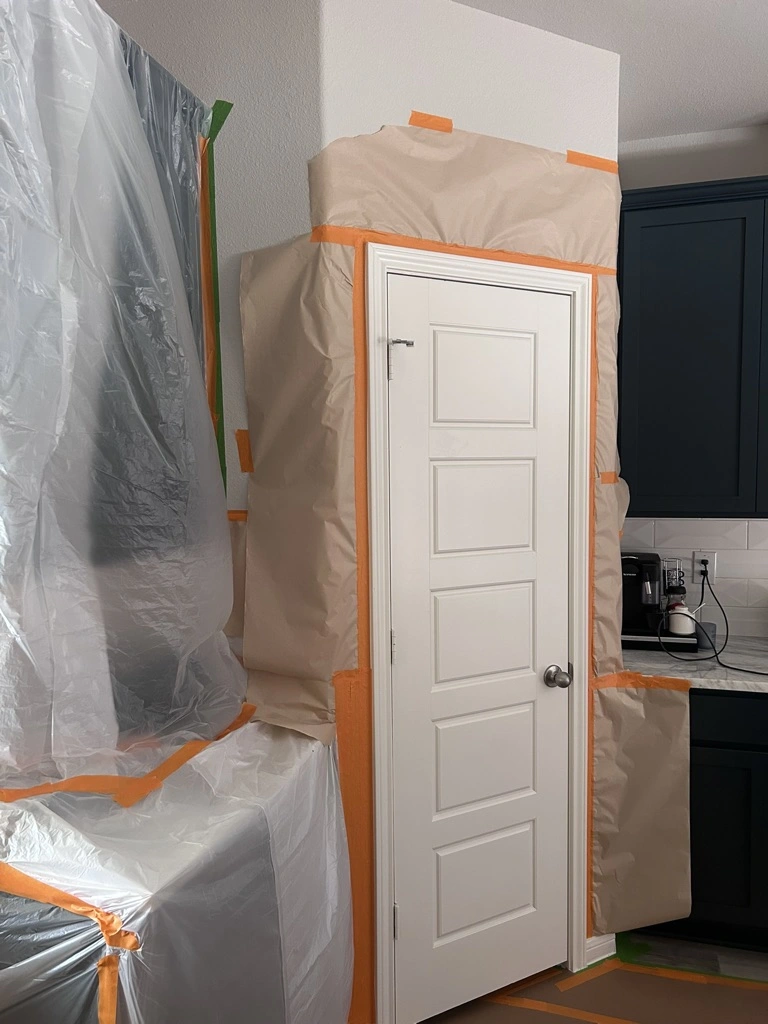
A solid estimate usually explains surfaces included, preparation methods, product levels, number of coats as needed for coverage, and exclusions such as rotten wood replacement or major plaster repair unless specifically noted. It should also say who is moving furnishings, how floors and landscaping are protected, and how cleanup is handled. If an exterior job involves weather delays or wood moisture concerns, that should not come as a surprise after work begins.
One useful question to ask is simple: where do you expect this job to need the most prep? The answer tells you a lot about how carefully the painter looked. Another good question is: what are the likely trouble spots a year from now? An experienced contractor will not promise perfection in every condition. They will tell you where older substrates, prior paint failures, or environmental exposure create risk.
Some homeowners in the region look specifically for Arcadia Painting Co or another established local name because they want familiarity with the area’s housing types and weather patterns. That instinct makes sense. Local experience does not guarantee quality, but it often improves judgment around timing, prep, and realistic expectations.
Signs it is time to paint sooner, not later
Waiting can be reasonable. Waiting too long often is not. Indoors, obvious stains, flaking patches, repeated scuffs that no longer wash clean, and visible drywall repairs are common reasons to repaint. Outdoors, the warning signs matter more because they involve protection as much as appearance.
Watch for peeling at horizontal trim, open joints where caulk has failed, exposed bare wood, graying deck boards, chalky residue on siding, and mildew that returns quickly after cleaning. These are not just cosmetic nuisances. They are signs that the coating system is no longer doing its full job. Catching those issues early is almost always cheaper than waiting until carpentry enters the picture.
There is also a practical timing issue for busy households. Many interior projects are easiest before other upgrades, not after. If you plan to replace floors, remodel a kitchen, or change trim, coordinate the sequence. The same goes for exterior work. Roof replacement, gutter work, siding repair, and paint should be planned together when possible. Good scheduling reduces rework.
What a successful project feels like from the homeowner side
The best painting projects are not memorable because they were dramatic. They are memorable because they were orderly. The crew showed up when expected. The rooms were protected properly. The repairs were discussed before they became surprises. The finish looked even in daylight, not just in a quick walkthrough at dusk. Cleanup happened daily. Touch-ups were handled without friction.
That homeowner experience often starts long before the first drop cloth comes out. It begins during the estimate, when the painter notices the cracked caulk around a bath window, the sun-cooked jamb at the back door, the pet scratches along the hall baseboard, or the hand oils on kitchen cabinet pulls. Those details tell you whether someone is seeing the house as it is, not as they wish it were.
A fresh paint job can make a home feel renewed in a way few other upgrades can. It can also preserve wood, simplify future maintenance, and support resale when the time comes. Whether you are planning interior painting Southampton MA work, an exterior repaint in Hampshire County, trim restoration, cabinet painting, or deck and fence painting Massachusetts homeowners put off for too long, the smartest approach is the same. Look past color alone. Pay attention to preparation, timing, and the realities of the surface underneath. That is where good results begin, and where they last.
Arcadia Painting Co | 3 Jeanne Circle, Southampton, MA 01073 | (413) 779-8338 | https://arcadiapaintingco.com - Arcadia Painting Co is a locally owned, family-run painting contractor based in Southampton, Massachusetts, serving homeowners and businesses throughout Hampshire County and the Pioneer Valley, including Easthampton, Northampton, Westhampton, Florence and Leeds. We specialize in interior painting, exterior painting, deck and fence painting, and trim work for residential and commercial properties. Our crews are background-checked, and we are fully licensed (MA HIC #219883) and insured. Every project is backed by our 4-year warranty. Call (413) 779-8338 or visit arcadiapaintingco.com to request a free estimate.